AI generated
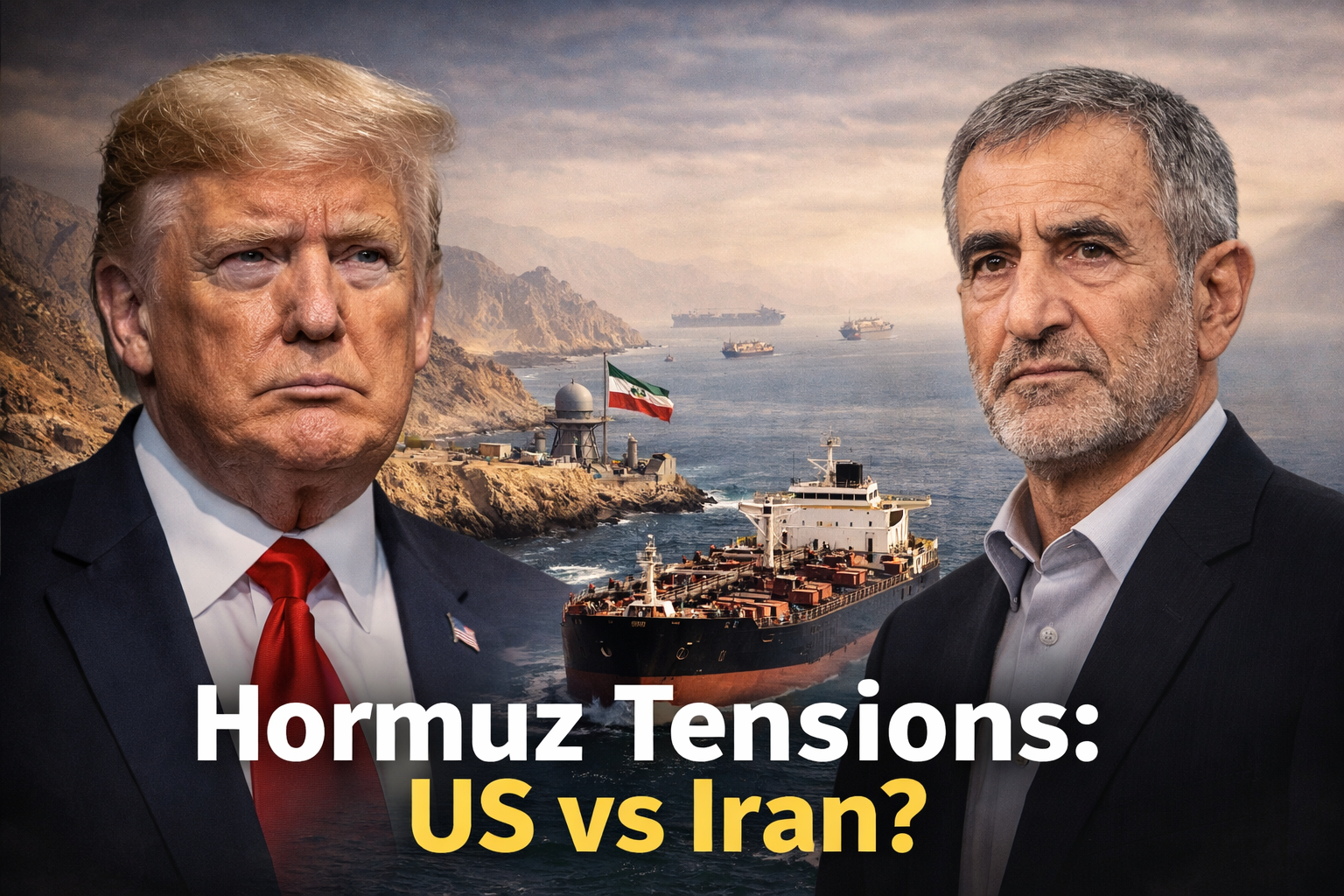
Tehran: Tensions in the Middle East have intensified after Iran issued a strong warning regarding the future of the Strait of Hormuz, one of the world’s most critical oil shipping routes. Iranian lawmaker Ebrahim Azizi stated that while the strait could reopen for international shipping, the United States may not be granted access.
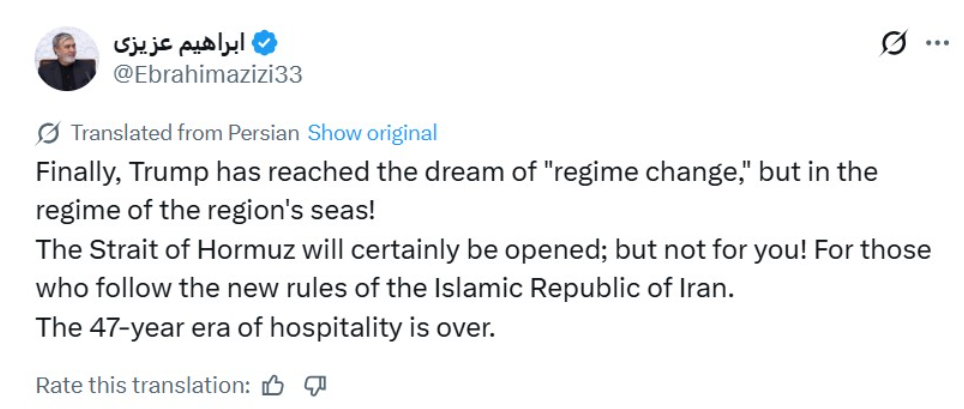
Azizi, who leads the National Security and Foreign Policy Committee in Iran’s parliament, said that countries that oppose Iran or act against its interests should not expect smooth passage through the strategic waterway. His remarks came in response to recent discussions in the United States about ensuring the route remains open.
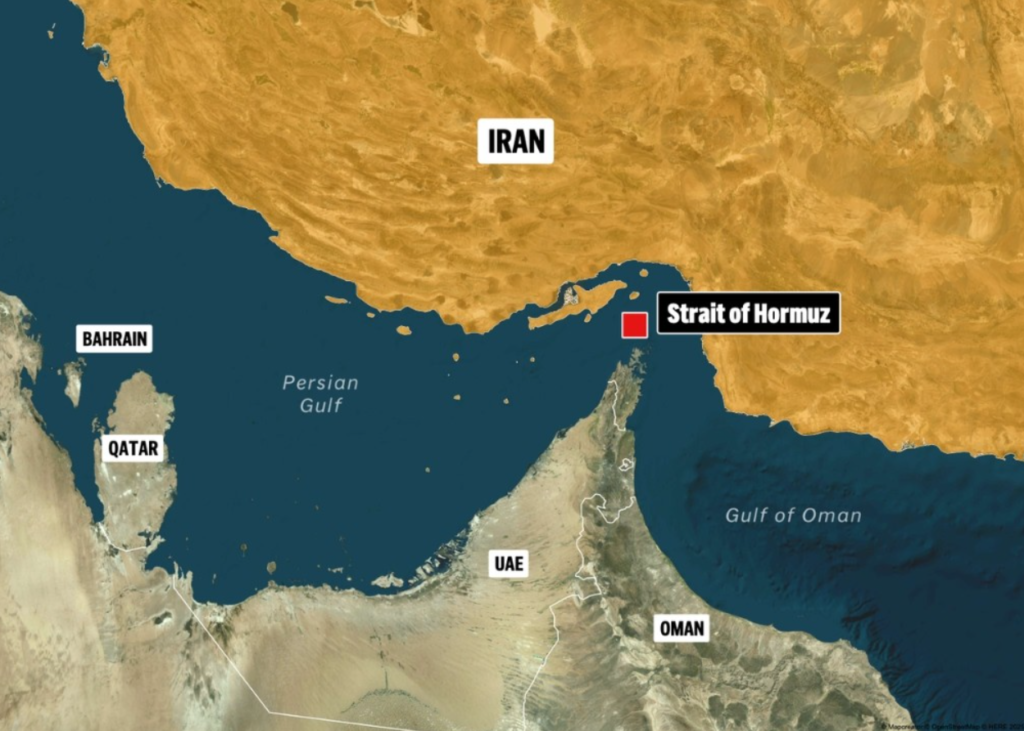
Why the Strait of Hormuz Is Important
The Strait of Hormuz is considered one of the most vital maritime routes globally. A significant portion of the world’s oil and energy supplies passes through this narrow channel connecting the Persian Gulf to international waters.
Any disruption in this area can impact:
- Global oil prices
- International trade routes
- Energy security for many countries
Because of this, developments in the region are closely monitored by governments and global markets.
Iran’s Position on Access to the Route
Iranian officials have indicated that future access to the strait could depend on a country’s political stance and relationship with Iran. According to Azizi, nations that maintain respectful and cooperative relations with Tehran may continue to use the route without issues.
However, he suggested that countries placing pressure on Iran or supporting actions against it may face restrictions.
Global Concern Over Rising Tensions
Experts believe that continued tension around the Strait of Hormuz could have significant global consequences. Any limitation on shipping traffic may affect oil supply chains and economic stability in many parts of the world.
As the situation develops, the international community is watching closely to see whether diplomatic efforts will ease tensions or if the conflict will escalate further.
About the Author